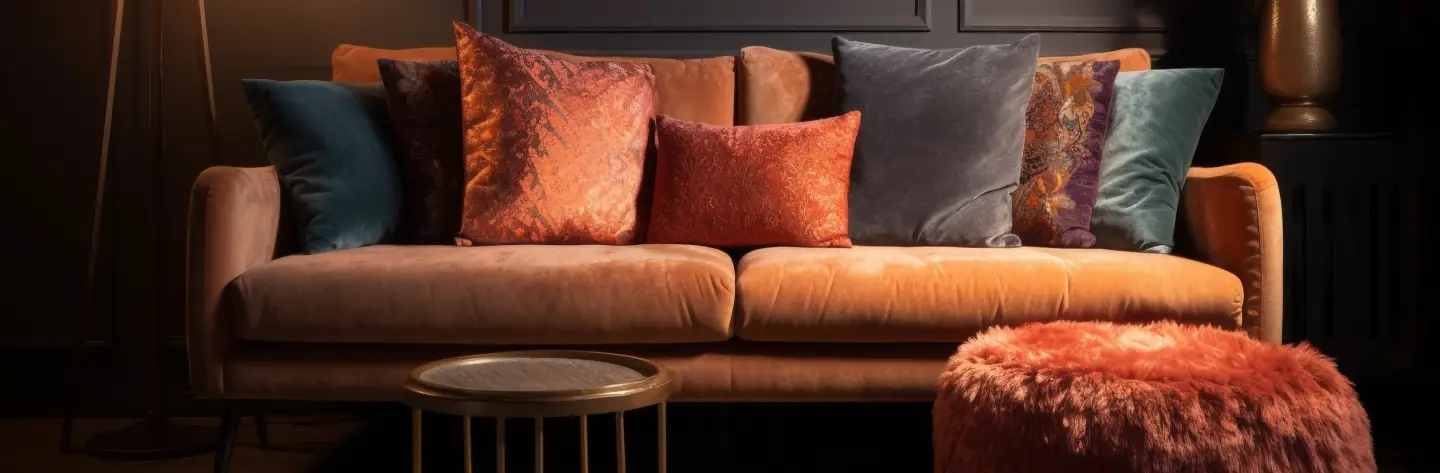
Our Recycling and Sustainability Commitment ??? Sofa Collection
 At Sofa Collection we believe responsible disposal and reuse of seating is essential to healthy neighbourhoods and a low-carbon future. This page explains how our sofa collection and furniture recovery programmes align with local borough approaches to waste separation, how we partner with charities, the locations we use for transfer and sorting, and the steps we take with low-carbon vans to reduce transport emissions. Our approach balances practical collection workflows with measurable environmental goals.
Our primary recycling percentage target is ambitious but achievable: we aim for an 85% reuse and recycling rate by 2030 for all items handled through our sofa recycling and sofas collection services. That target covers materials diverted from landfill through repair, refurbishment, parts reclamation and material recycling. To reach this goal we track outcomes at each stage ??? collection, assessment, refurbishment, and final diversion ??? and publish annual progress summaries so partners and boroughs can see real results.
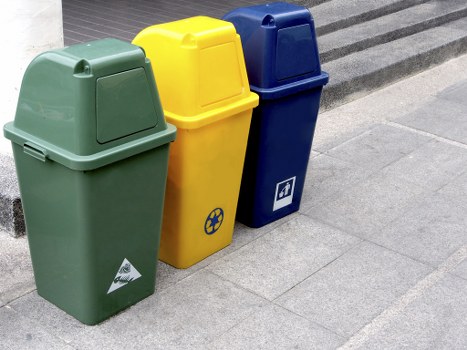 We work closely with municipal transfer stations and reuse centres so collected sofas are routed efficiently. Local transfer stations we use include municipal bulky waste hubs across boroughs, community reuse depots and intermediate sorting centres where upholstery is assessed, foam is separated, metals are salvaged and fabrics are routed to textile recyclers. This local network reduces haul distances and respects borough-level guidelines on separating bulky waste from dry recycling streams and street collections.
The sofa collection programme mirrors borough waste separation practices: residents are asked to isolate upholstery, small electrical items and packaging prior to curbside pickup where applicable, and borough bulky-item collections feed into our chain of custody. Our teams follow local rules for hazardous components ??? for example, identifying items with embedded batteries or flame-retardant-treated foams ??? and ensure safe handling and correct routing to specialist processors when required. These small steps at source greatly improve recycling outcomes downstream.
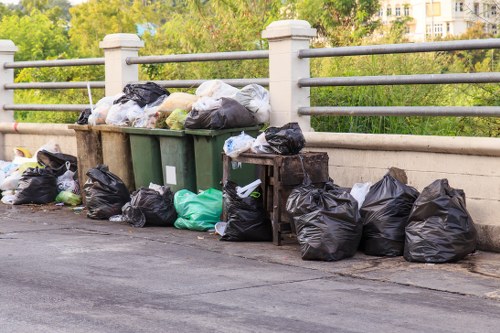 We have formal partnerships with national and local charities to prioritise reuse. Working alongside well-known organisations and community-driven furniture banks, our sofas collection service aims to match reusable furniture with families and community projects. Charitable partners benefit from a steady supply of repaired and refurbished seating, while items unsuitable for reuse are stripped for parts: springs, frames and fabrics are recovered and reused or recycled. This model reduces waste and supports social outcomes by keeping furniture in circulation.
Beyond charity partnerships, we maintain close relationships with specialist recycling partners who handle complex streams such as polyurethane foam recycling, metal reclamation and textile reprocessing. Our process emphasises repair-first: whenever viable, a sofa is repaired rather than recycled. When repair is not possible, components are separated and sent to the right recycler to recover value and materials back into manufacturing streams.
To make collections cleaner and quieter, our fleet includes an expanding number of low-carbon vans and optimized routing software. Low-emission electric vans serve dense urban areas and hybrids or Euro-6 vehicles cover longer routes while we scale charging infrastructure. Route optimisation reduces mileage, while lift-gate improvements and modular storage reduce handling time and damage during transport ??? both of which reduce the carbon footprint of each collected sofa.
![A person wearing blue jeans and red high-top sneakers is standing on a clean white surface, extending their right hand in a stopping gesture towards a small, white and tan Jack Russell terrier puppy sitting attentively in front of them. The puppy's fur is short and smooth, with a predominantly white coat accented by light brown patches on its ears and around one eye. The puppy is positioned slightly to the right of the person's outstretched hand, and appears to be looking directly at the person's hand as if waiting for a command. The background is plain and white, with no visible environmental context such as a driveway, garden, or interior space. The scene conveys a neutral and observational tone, with the focus on the interaction between the person and the puppy, subtly relating to the theme of responsible pet care, which can be associated with proper waste management of pet-related refuse in the local London area. This image could be used to illustrate the importance of managing pet waste responsibly as part of a rubbish collection service offered by Sofa Collection at [PAGE_URL], serving the London postcode region.](/pub/_photos/rubbish/stoppingyourdogdestroyingyourtrash04.jpg) We also support borough-specific recycling activity: many boroughs operate separate bulky waste collection days, reuse swapshops, and doorstep textiles segregation. Where a borough encourages dry recycling and mattress or bulky-item drop-offs at local depots, our teams coordinate with those schedules and offer collection alternatives to residents who cannot transport items. Local coordination is key to preventing illegal fly-tipping and ensuring materials enter the proper recycling streams.
We also support borough-specific recycling activity: many boroughs operate separate bulky waste collection days, reuse swapshops, and doorstep textiles segregation. Where a borough encourages dry recycling and mattress or bulky-item drop-offs at local depots, our teams coordinate with those schedules and offer collection alternatives to residents who cannot transport items. Local coordination is key to preventing illegal fly-tipping and ensuring materials enter the proper recycling streams.
 Our practical recycling steps include:
- Reuse assessment: triage by trained technicians to identify repairable sofas;
- Component recovery: salvaging wood frames, metal springs, foam and textiles for specialist recycling;
- Charity redistribution: matched donations to housing services and community projects;
- Local transfer station routing: reducing haul distances and respecting borough waste separation policies.
We measure success through key performance indicators including percentage diverted from landfill, items reused, tonne of materials recycled and fleet emissions per kilometre. Our short-term milestones include achieving a 60% reuse/recycle rate by 2026 and reaching the 85% recycling percentage target by 2030. Transparency is central: we provide aggregated progress updates and work with boroughs and recycling partners to close gaps where contamination or improper separation hinders recovery.
Training for collection crews focuses on safe disassembly, recognising recyclable materials, and on-the-spot decision-making about reuse eligibility. Crews are instructed in borough-specific rules so sofa collection teams can advise residents about separating upholstery, foam and mattress-like items and the proper disposal of associated plastics and metals. This mix of local knowledge and standardised processing reduces contamination and improves recycling yields.
Finally, as a furniture collection and refurbishment network, we are committed to continuous improvement. We pilot new low-carbon vehicle technologies, trial foam-to-polyol recycling partnerships and expand charity collaborations so more sofas find a second life. Sofa Collection remains focused on reducing waste, supporting communities and cutting transport emissions ??? one responsible sofa pickup at a time.