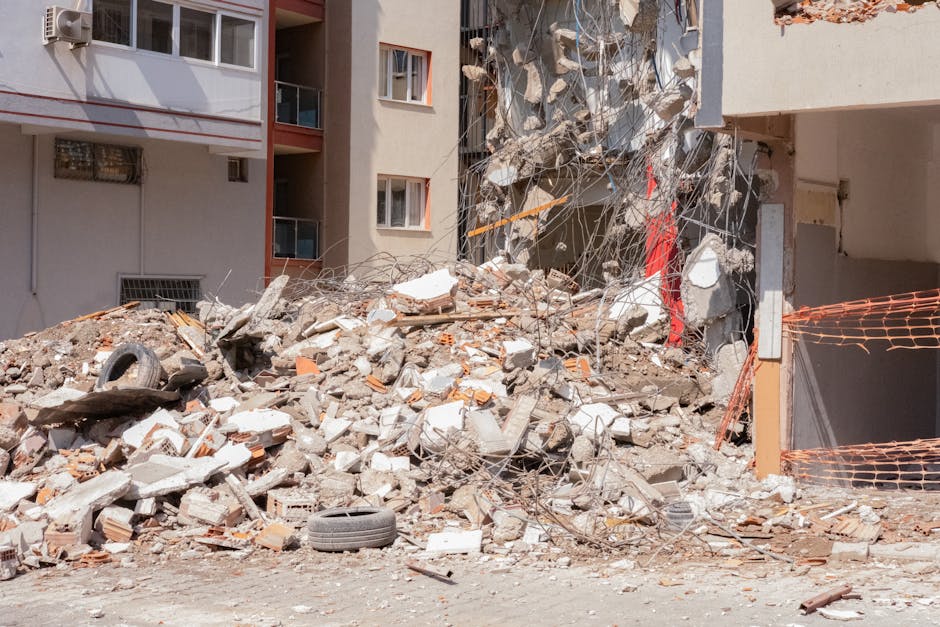
Damp-damaged waste after floods: London cleanup options
Floodwater leaves behind more than a wet floor and a bad smell. In homes, flats, shops, and lower-ground spaces across London, it can turn soft furnishings, timber, plasterboard, carpets, boxes, and mixed household waste into a heavy, awkward, and sometimes hazardous job. If you are trying to work out the best way forward for damp-damaged waste after floods, the choice is rarely simple. What can be bagged, what needs separate handling, and what should be left for a professional clearance team?
This guide breaks down the main London cleanup options in plain English. You will see how damp waste is assessed, which removal methods make sense in different situations, what to avoid, and how to keep the process safer, cleaner, and less stressful. We will also touch on practical compliance, sensible expectations, and a few real-world lessons that matter when everything smells a bit musty and time is not on your side.
To make the next step easier, this article also points you towards useful site pages such as pricing and quotes, recycling and sustainability, and the company's health and safety policy.
Practical takeaway: after a flood, damp waste should be treated as a sorting and safety problem first, and a disposal problem second. That order saves time, reduces contamination, and usually saves money too.
Table of Contents
- Why Damp-damaged waste after floods: London cleanup options Matters
- How Damp-damaged waste after floods: London cleanup options Works
- Key Benefits and Practical Advantages
- Who This Is For and When It Makes Sense
- Step-by-Step Guidance
- Expert Tips for Better Results
- Common Mistakes to Avoid
- Tools, Resources and Recommendations
- Law, Compliance, Standards, or Best Practice
- Options, Methods, or Comparison Table
- Case Study or Real-World Example
- Practical Checklist
- Conclusion
- Frequently Asked Questions
Why Damp-damaged waste after floods: London cleanup options Matters
Flooding changes the nature of waste. A dry sofa, mattress, or pile of cardboard is one thing. The same items after sitting in dirty water for hours, or even just absorbing damp for a few days, become heavier, harder to move, and more likely to carry odours, mould spores, and contaminants. In London, where access can be tight and many properties sit in basements, converted buildings, or narrow terrace streets, the logistics can get messy very quickly.
Why does this matter so much? Because flood waste is not just about getting rid of clutter. It is about making the property safe to dry out, preventing further damage, and avoiding the classic trap of moving one problem into another room. We have all seen the scenario: the hallway becomes a staging area, then the front room, then somehow the landing too. Not ideal.
There is also the health side. Damp materials can encourage mould growth, and mouldy waste should not be left sitting around if it can be removed promptly and safely. For households with children, older residents, or anyone with asthma or allergies, speed matters more than people often realise. The longer it sits, the more unpleasant the air gets. You notice it in the first few minutes; it can hit you like a wall.
And then there is the local reality of London cleanup. Parking, loading space, stair access, lift restrictions, and time limits can all shape which waste removal option is realistic. What looks easy on paper may be very different when you are carrying soaked furniture down two flights of stairs in a converted flat. So, the right option is usually the one that matches the volume, the condition of the waste, and the building you are working in.
Expert summary: the best cleanup choice after flooding is rarely the cheapest-looking one at first glance. The better choice is the one that removes damp waste quickly, safely, and in a way that does not spread contamination or delay drying work.
How Damp-damaged waste after floods: London cleanup options Works
The process usually starts with sorting. Not all flood-damaged items need the same treatment, and not all of them should be handled in the same way. A damp cardboard box of clothes is different from a saturated mattress, and both are different again from broken furniture that may have sharp edges, hidden screws, or waterlogged panels.
In practice, cleanup tends to follow a simple pattern:
- Assess the damage. Work out what is wet, what is contaminated, and what can realistically be saved.
- Separate materials. Keep salvageable items apart from waste so you do not cross-contaminate clean areas.
- Remove bulky items first. Large soaked furniture and mattresses often block drying and access.
- Bag and contain loose waste. Soft contents, papers, and broken bits should be sealed where possible.
- Load and transport safely. Heavy wet waste needs careful lifting and route planning.
- Dispose or recycle appropriately. Some items may be suitable for recovery, but contaminated materials often need more controlled handling.
One thing people underestimate is weight. Damp waste can become dramatically heavier than dry waste, which changes everything from manual handling to vehicle loading. A saturated armchair is not just awkward; it can be a proper strain risk. That is why professional teams usually use extra manpower, suitable vehicles, and a plan for protected floor coverings or safe lifting routes.
There is also a difference between ordinary household waste and flood-affected waste. Once materials are affected by dirty water, sewage backup, or prolonged damp, the handling becomes more cautious. You do not want to drag a mouldy carpet through a clean hallway and then call it "sorted." It has not been sorted. It has just been moved.
For many London properties, the most sensible route is a mixed approach: separate what can be dried and kept, remove what is beyond saving, and schedule the clearance so the property can be aired out and repaired sooner rather than later. If you need a broader overview of company standards around secure payments, you can also review payment and security information.
Key Benefits and Practical Advantages
Good flood waste cleanup is not just about tidiness. It creates momentum. That may sound a bit dramatic, but anyone who has dealt with wet flooring at 8 a.m. on a Monday will know the feeling. Once the waste is out, the rest of the recovery becomes more manageable.
- Faster drying: removing soaked contents opens up airflow and reduces trapped moisture.
- Lower mould risk: fewer damp materials means fewer places for spores to settle and spread.
- Safer movement around the property: clear hallways and rooms reduce trip hazards.
- Less odour: removing damp textiles and absorbent items helps control smell.
- Better decision-making: once damaged items are visible and separated, you can judge what to keep or replace.
- Cleaner repair work: builders, insurers, and drying contractors can work more effectively when waste is cleared.
There is another practical benefit that often gets overlooked: emotional relief. Flood damage is exhausting. It is noisy, wet, and oddly relentless. Getting the waste removed makes the place feel less defeated. Not fixed, not yet. But moving again.
From a commercial point of view, this matters for landlords, letting agents, shop owners, and facilities teams too. Vacant time, tenant disruption, and repair delays can all be reduced when the clearance is handled in a focused way. In short, better waste removal supports the rest of the recovery chain.
Who This Is For and When It Makes Sense
This topic is relevant to a wide range of people in London, and the circumstances vary quite a bit. In some cases, the job is a one-off clearout after a burst pipe or local flood. In others, it is part of a much larger property recovery project.
You may need help if you are:
- a homeowner dealing with a flooded living room, basement, or garage
- a tenant trying to clear personal belongings after water ingress
- a landlord preparing a flat for drying, repairs, or re-let
- a business owner with stock, fixtures, or office waste affected by water
- a property manager dealing with multiple units after a heavy flood event
- a facilities team member responsible for safe clearance and access
It makes sense to look at professional cleanup options when the waste is bulky, saturated, mould-prone, or too much to handle with ordinary bin collections. It also makes sense when you need fast turnaround, limited disruption, or help with stairs, tight access, or large volumes. Truth be told, if a mattress, sofa, and several heavy bags are involved, the DIY savings can disappear quickly once you factor in time, injury risk, and disposal hassle.
Some people can manage small amounts themselves with good gloves, bags, and a reliable vehicle. But if the waste has been standing in contaminated floodwater, or if the property has signs of mould or sewage exposure, a more careful approach is usually wiser. That is one of those times when cautious is better than heroic.
Step-by-Step Guidance
Here is a practical way to handle damp-damaged waste after a flood without making the job harder than it needs to be.
1. Make the area safe before moving anything
Check for electrical hazards, sharp debris, unstable furniture, and slippery floors. If sockets, appliances, or wiring have been affected, avoid using them until they have been inspected by a qualified professional. Common sense matters here. Wet floors and loose cables are a bad mix.
2. Separate salvageable items from waste
Dry books, documents, clothing, and certain furnishings may be recoverable if treated quickly. Set these aside in a clean, dry space. Keep them away from waste piles. Once mould starts transferring, salvaging becomes much less practical.
3. Prioritise the heaviest and dirtiest items
Saturated carpets, mattresses, upholstered chairs, and soaked chipboard furniture usually cause the biggest problems. They are heavy, awkward, and often best removed first so drying can begin.
4. Use suitable containment
Small items should be double-bagged where needed. Avoid overfilling sacks; damp waste tears easily. For bulky items, wrap or cover them where practical to keep drips and debris under control during transit.
5. Clear a route out of the property
Plan the path before lifting. Protect floors if necessary, keep doorways open, and make sure there is enough room to turn furniture corners. In London homes, that can be easier said than done.
6. Decide whether recycling or disposal is realistic
Some metal frames or clean separable components may be recoverable, but materials contaminated by floodwater or mould are often not suitable for ordinary recycling. If in doubt, treat safety as the deciding factor.
7. Arrange collection or removal promptly
The longer damp waste sits, the stronger the smell and the harder the cleanup becomes. Prompt collection reduces disruption and helps the property dry faster. If you are comparing options, take a look at the team's about us page to understand the service approach and support philosophy.
8. Finish with a proper ventilation and cleaning pass
Once waste is removed, the area should be aired, cleaned, and checked for hidden damp. Skirting boards, under-floor spaces, and behind furniture often hold moisture longer than people expect.
Expert Tips for Better Results
After enough flood clearances, a few patterns stand out.
- Work in layers. Remove obvious waste first, then revisit the room for hidden items once space opens up.
- Keep contaminated and clean items separate. Even a quick shuffle can spread damp and odour.
- Do not wait for everything to dry before deciding. Some items become harder to move once warped or mouldy.
- Take photos before disposal. This can help with insurer discussions or record-keeping, especially for landlords and businesses.
- Expect more weight than you think. Wet textiles and furniture are deceptive. Very deceptive, in fact.
- Use the right moving team size. One person and a wet three-seater sofa is not a sensible plan.
- Think about the end state. If the room needs drying, decorators need access, or flooring is coming up, clearance should support that sequence.
There is also a timing tip that helps in London specifically: if you know access will be awkward because of parking or building rules, plan the collection window carefully. A slightly later start may save an hour of standing around trying to work out where the van can stop. Not glamorous, but true.
If sustainability matters to you, ask how the waste is separated and whether any materials can be diverted responsibly. The company's recycling and sustainability page is a useful starting point for understanding how greener disposal thinking fits into the process.
Common Mistakes to Avoid
Some flood cleanup mistakes are small. Others create a second round of hassle that nobody needs.
- Leaving damp items in place too long. This encourages mould, odour, and pest attraction.
- Mixing salvageable items with waste. One contaminated item can ruin several others.
- Underestimating the volume. A few bags quickly become a full-room job.
- Trying to carry saturated furniture alone. That is how backs get hurt and walls get marked.
- Using ordinary bin routes for contaminated waste. Not everything should go out in standard household bags.
- Ignoring hidden moisture. Waste removal is only part of the recovery; the fabric of the room may still be damp.
- Forgetting about access constraints. Tight staircases, lifts, and shared corridors can affect the plan a lot.
One easy mistake is assuming "it looks dry enough" means "it is safe enough." Sometimes it does. Sometimes it very much does not. If the item smells stale, feels cold and heavy, or shows visible staining, treat it carefully.
Another one is leaving the job for a future weekend that never arrives. Flood waste has a habit of becoming background noise until it starts becoming a worse smell. Then everyone notices. So, best not to wait for that stage.
Tools, Resources and Recommendations
You do not need an entire warehouse of equipment to manage damp-damaged waste, but the right basics make a big difference.
Helpful items for small-scale cleanup
- heavy-duty gloves
- strong refuse sacks
- mask or face covering if dust or mould is present
- tape or wrap for bundling loose debris
- torch or phone light for dark corners and under furniture
- protective footwear with grip
- mop, cloths, and cleaning products suitable for the surface
Useful planning resources
- a room-by-room list of items to discard or keep
- photos of damaged contents before clearance
- access notes for stairs, lifts, parking, or loading points
- any insurer or property manager instructions
- a rough estimate of volume to help choose the right collection size
If you want to understand the company's broader service standards before booking, the insurance and safety page is worth a look. For practical expectations around costs and scheduling, the pricing and quotes page can help frame the next conversation.
As a general recommendation, do not focus only on price. In flood situations, reliability, safe handling, and clear communication often matter more than shaving off a small amount. Cheap can become expensive rather quickly when damage spreads.
Law, Compliance, Standards, or Best Practice
Flood waste cleanup in London sits within a broader framework of waste handling, health and safety, and responsible disposal. Without pretending every job is identical, there are a few practical principles worth keeping in mind.
First, waste should be handled in a way that avoids creating a hazard to people or property. That means sensible manual handling, careful containment, and proper transport. It also means not leaving contaminated materials in shared spaces where they may affect neighbours or building users.
Second, where items are affected by floodwater, especially if the water may have been contaminated, the approach should be more cautious than for ordinary household clearance. Best practice is to separate what can be safely recovered from what should be removed. If there is any uncertainty about contamination, mould, or structural damp, err on the side of safety.
Third, businesses and landlords should keep records that show reasonable care. That may include photos, disposal notes, and communication with contractors or insurers. It is not about paperwork for its own sake. It is about being able to show what was done and when, which can matter later.
For customers who care about working standards, it is also sensible to look at a provider's stated policies. Pages such as terms and conditions, privacy policy, and complaints procedure can give a clearer sense of how the business handles expectations, data, and issues if they arise.
Finally, it is worth saying plainly: if flood waste includes suspected hazardous items, sharps, chemicals, or heavily contaminated materials, specialist advice may be needed. That is not something to wing. Better to pause and assess than to push on and create a bigger problem.
Options, Methods, or Comparison Table
There are a few common ways people deal with damp flood waste in London. The right option depends on volume, access, urgency, and how contaminated the materials are.
| Option | Best for | Strengths | Limitations |
|---|---|---|---|
| DIY bagging and local disposal | Very small volumes of lightly damp waste | Low upfront cost, simple for minor jobs | Time-consuming, physically demanding, may be unsuitable for contaminated or bulky items |
| Man and van style clearance | Medium household clearances and bulky damp items | Faster, less lifting for the customer, useful for stairs and tight access | Needs clear access and proper item sorting before collection |
| Full-service flood waste clearance | Large, heavy, or badly damaged loads | Efficient, safer handling, better for urgent post-flood recovery | Costs more than DIY, though often saves time and disruption |
| Phased clearance with drying and repair works | Properties needing staged recovery | Supports insurers, builders, and drying teams | Requires coordination and a bit more planning |
For many London properties, the middle option is the sweet spot. It is flexible enough for flats, houses, and commercial spaces without becoming a full project management exercise. But if the damage is extensive, a full-service approach usually makes more sense. You know it when you see it: multiple rooms, soaked soft furnishings, and a route through the building that looks like a puzzle. Not the relaxing kind.
Case Study or Real-World Example
Picture a lower-ground flat in South London after a heavy rain event. The resident comes home to discover water has seeped in around the external wall. A carpet in the living room is soaked, a fabric sofa has wicked up moisture, two storage boxes are collapsed and soggy, and a mattress in the spare room smells faintly earthy by the next morning.
The first instinct might be to try to save everything. Fair enough. Most people do. But once the team looks at the items, the decision becomes more practical. The sofa and mattress are too saturated to keep without risking ongoing odour and mould. The carpet underlay is beyond sensible drying in place. The storage boxes have mixed clean papers with damp clothes, so the contents need sorting before anything else.
What works best in that situation is a staged clearance. Remove the worst items first, open access for drying, and leave anything salvageable in a separate clean zone. The room starts to dry properly, the smell drops, and the rest of the repair work can begin. It is not dramatic, just effective.
That kind of measured approach is often better than trying to do everything in one frantic sweep. A calm plan, a few sensible decisions, and the place starts to feel like it is back under control.
Practical Checklist
Use this checklist before arranging cleanup for damp-damaged waste after a flood.
- Check for electrical hazards and unsafe flooring
- Separate items you may still be able to save
- Identify heavy, wet, or mould-prone items first
- Measure access points such as stairs, doors, and lifts
- Take photos for your records before disposal
- Keep contaminated items away from clean belongings
- Plan a clear route out of the property
- Confirm whether any specialist handling is needed
- Arrange prompt removal so drying can continue
- Ventilate and clean the space after clearance
Quick note: if the property still feels damp after removal, do not assume the job is finished. Hidden moisture in walls, floors, and joinery can keep causing problems if it is ignored.
Conclusion
Damp-damaged waste after a flood is one of those jobs that looks straightforward until you are standing in the middle of it. Then the weight, smell, access issues, and contamination questions start stacking up. The good news is that there are sensible London cleanup options for almost every scenario, from small domestic clearances to larger, more urgent recoveries.
The best results usually come from quick sorting, careful handling, and a removal method that matches the scale of the damage. If you focus on safety, access, and getting the property dry again, the rest becomes much easier. And once the waste is out, the room can breathe again. So can you, a bit.
If you are ready to move forward, review the service information, compare the approach that suits your property, and keep the next step simple.
Get a free quote today and see how much you can save.
If you would like to speak with the team directly, you can also use the contact us page for a straightforward enquiry.
Frequently Asked Questions
What counts as damp-damaged waste after a flood?
It usually means furniture, textiles, packaging, household items, or building-related waste that has absorbed floodwater or prolonged moisture and is no longer fit to keep in normal use.
Can damp furniture be saved after flooding?
Sometimes, yes. Lightly affected items may be dried and cleaned, but once upholstery, foam, or chipboard has been heavily soaked, the risk of odour and mould often makes removal the better option.
Is flood-damaged waste treated differently from regular household waste?
In practice, yes. It needs more careful sorting and handling, especially if the water may have been contaminated or if items are mouldy, heavy, or unsafe to carry normally.
How quickly should damp waste be removed after a flood?
As soon as it is safe to do so. Fast removal helps with drying, reduces smells, and lowers the chance of mould becoming a bigger issue.
Do I need a professional for small amounts of damp waste?
Not always. Small, lightly damp items may be manageable if access is easy and there is no contamination. But bulky furniture, saturated carpets, or mould-affected waste usually justify professional help.
What should I never put off after flood damage?
Do not leave wet soft furnishings, mattresses, or absorbent materials sitting around for too long. They can hold moisture and create longer-term damage very quickly.
Can damp waste be recycled?
Some clean components may be recoverable, but contaminated flood waste often cannot be treated like ordinary recyclable material. It depends on the material, the level of contamination, and the disposal route available.
How do I prepare a London flat for waste collection after flooding?
Clear a route, separate salvageable items, take photos, and note access issues such as staircases, lifts, or parking restrictions. In London, those details can make a surprisingly big difference.
Will flood waste removal include cleaning the room too?
Usually clearance and cleaning are separate tasks, though the removal process should leave the area ready for drying and follow-on repairs. It is worth confirming exactly what is included before booking.
What if the waste smells strongly of damp or mould?
That is a sign to act quickly and handle the items carefully. Strong odour often means moisture has sat in the material for a while, and it may no longer be suitable to keep.
How can I keep costs under control?
Sort items before collection, be clear about access, and only remove what genuinely needs to go. Comparing options and getting a clear quote helps avoid surprises later.
What should landlords or business owners document after a flood cleanup?
Keep photos, disposal notes, and records of who removed what and when. That helps with repairs, insurance discussions, and general accountability if questions come up later.
If you want to know more about the business behind the service, the about us page gives useful background. For service expectations and fairness around bookings, the terms and conditions page can also help clarify the detail.